Smartphone security has evolved significantly over the years. From PIN codes and passwords to fingerprint scanners and facial recognition, modern devices offer multiple ways to protect personal data. One emerging method that many users are curious about is Voice Screen Lock. This feature allows users to unlock their Android device using voice recognition technology. However, before enabling it, it is important to understand how it works, its limitations, and whether it is truly secure.
What Is Voice Screen Lock?
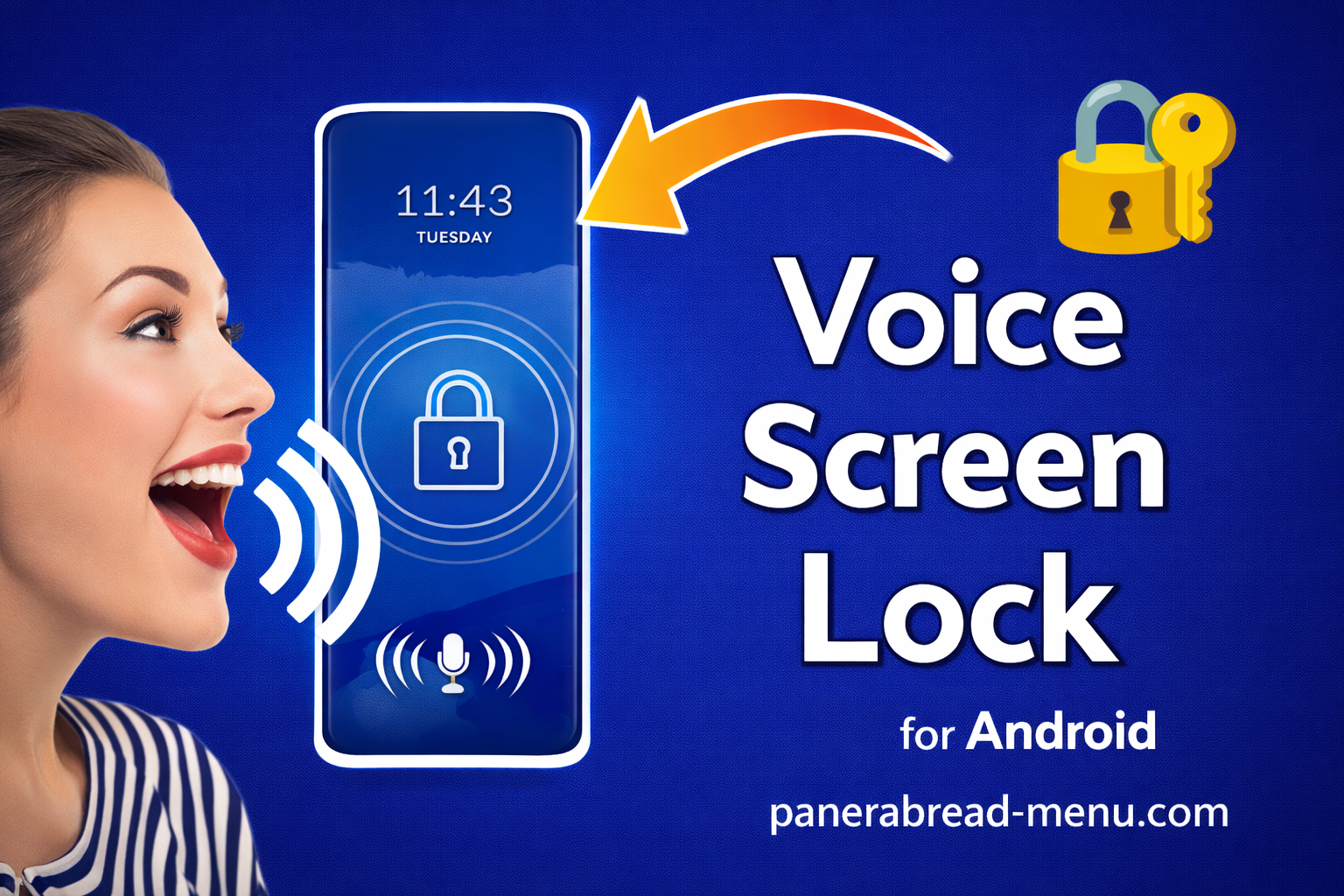
Voice Screen Lock is a security feature that uses voice recognition to authenticate a user before unlocking the smartphone. Instead of typing a PIN or scanning a fingerprint, the device listens for a specific voice command or pattern.
While Android devices do not natively offer a full system-level voice unlock in most modern versions, some manufacturers and third-party apps provide variations of this functionality. Therefore, understanding compatibility is essential before enabling it.
How Does Voice Recognition Unlock Work?
The technology behind Voice Screen Lock relies on voice biometrics. Voice biometrics analyze unique vocal characteristics such as tone, pitch, frequency, and speech patterns. These traits create a voice profile that the system uses for verification.
When you speak the registered command, the system compares your live voice sample with the stored voice model. If it matches within acceptable parameters, access is granted.
However, environmental noise, microphone quality, and voice changes can affect accuracy.
Is Voice Screen Lock Available on All Android Phones?
Not all Android devices support built-in Voice Screen Lock functionality. Earlier versions of Android experimented with voice unlock features, but many were discontinued due to security concerns.
Currently, most Android devices prioritize:
-
Fingerprint authentication
-
Face unlock
-
PIN or password protection
If you want to use Voice Screen Lock, you may need to rely on third-party applications available on the Google Play Store. However, always review app permissions and developer credibility before installation.
How to Set Up Voice Screen Lock on Android
If your device or chosen application supports it, follow these general steps:
-
Open Settings
-
Navigate to Security & Privacy
-
Look for Smart Lock or voice-related authentication
-
Register your voice sample
-
Set a backup PIN or password
It is strongly recommended to maintain a backup authentication method. Voice recognition systems can occasionally fail due to background noise or illness affecting your voice.
Security Considerations
Although Voice Screen Lock offers convenience, it may not be as secure as fingerprint or facial authentication. Voice recordings, voice imitation, or AI-generated voice replication could potentially bypass weaker systems.
Therefore:
-
Avoid using it as your only security method
-
Enable two-factor protection when possible
-
Keep your operating system updated
Manufacturers design fingerprint sensors and facial recognition systems with stronger encryption protocols compared to many voice-based unlock systems.
Advantages of Voice Screen Lock
Despite limitations, Voice Screen Lock provides several benefits:
-
Hands-free access
-
Accessibility support for users with disabilities
-
Quick unlocking in certain situations
-
Innovative user experience
For individuals who prioritize convenience over maximum security, voice unlocking can be a useful supplementary feature.
Limitations of Voice-Based Unlocking
Before fully relying on Voice Screen Lock, consider the following drawbacks:
-
Reduced accuracy in noisy environments
-
Security vulnerabilities compared to biometric methods
-
Not supported natively on most modern Android versions
-
Possible battery consumption increase
Because of these limitations, many experts recommend combining voice recognition with other authentication layers.
Best Practices for Using Voice Unlock Features
If you decide to enable Voice Screen Lock, follow these best practices:
-
Record your voice sample in a quiet environment
-
Avoid using easily guessable phrases
-
Enable automatic screen timeout
-
Keep a strong backup PIN
Taking these precautions improves both usability and security.
Should You Use Voice Screen Lock?
The decision depends on your personal priorities. If you value convenience and accessibility, voice-based unlocking may enhance your experience. However, if your device contains sensitive business or financial information, stronger authentication methods are recommended.
In most cases, Voice Screen Lock works best as a secondary convenience feature rather than primary security protection.
Conclusion
Smartphone security continues to advance, and voice recognition is part of that innovation. While Voice Screen Lock offers hands-free accessibility and modern functionality, it is important to understand its limitations. Always combine voice unlocking with secure backup authentication methods to ensure maximum protection.
By staying informed and using official settings, you can enhance both convenience and security on your Android device.
FAQ
Is Voice Screen Lock secure?
It provides moderate security but is generally less secure than fingerprint or face unlock.
Can all Android phones use Voice Screen Lock?
No. Many devices require third-party apps to enable voice unlocking.
Does Voice Screen Lock work offline?
Some implementations work offline, but functionality depends on the specific app or manufacturer.
Can someone unlock my phone with a recording?
Advanced systems may detect playback attempts, but weaker apps could be vulnerable.
Should I use Voice Screen Lock as my only security method?
No. Always keep a backup PIN, password, or biometric authentication enabled.